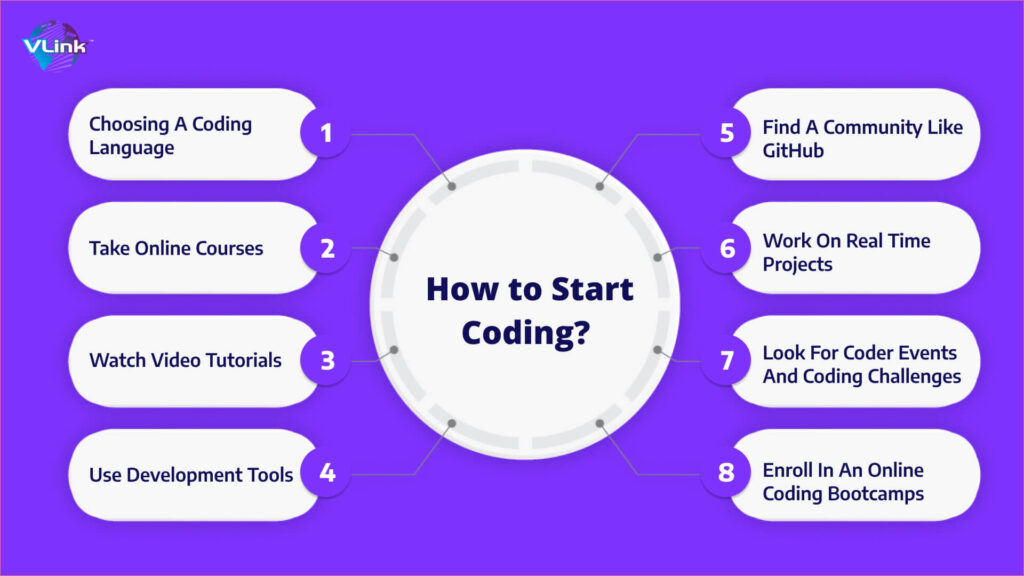
Are you curious about coding but don’t know where to start? You’re not alone. Millions of people want to learn how to code but feel overwhelmed by the options, tools, and languages. The good news? You can start coding from scratch even if you have zero experience. This beginner-friendly guide will walk you through the steps, resources, and mindset you need to become a confident programmer.
Why Learning to Code Is a Game-Changer
Coding is more than just typing lines of code. It’s a skill that opens doors to:
- High-paying jobs – Software development, web development, and data analysis are in high demand.
- Problem-solving skills – Coding teaches you logical thinking and structured problem solving.
- Creative freedom – Build apps, websites, games, and even automate your daily tasks.
- Global opportunities – Coding is a universal language that connects you to projects worldwide.
Starting from scratch may seem intimidating, but with the right approach, anyone can learn to code.
Step 1: Choose the Right Programming Language
For beginners, it’s essential to pick a language that is:
- Easy to learn
- Widely used
- Flexible for different projects
Here are some popular choices:
- Python – Beginner-friendly, versatile, and widely used in web development, data science, and AI.
- JavaScript – Perfect for front-end web development and interactive websites.
- HTML & CSS – Not programming languages per se, but essential for web design.
- Java – Popular in large-scale applications and Android development.
Tip: Start with one language. Python is highly recommended for absolute beginners.
Step 2: Set Up Your Coding Environment
Before writing code, you need the right tools:
- Text editor or IDE: Install software like VS Code, PyCharm, or Sublime Text.
- Interpreter/compiler: Some languages (like Python) need an interpreter; Java requires a compiler.
- Browser console: For JavaScript, the browser’s console is enough to practice.
Setting up your environment properly ensures you can practice without technical roadblocks.
Step 3: Learn the Basics
Focus on the fundamental concepts first. These are common across most programming languages:
- Variables and data types – Store and manage information.
- Operators – Perform calculations and comparisons.
- Control structures – If statements, loops, and logical operators.
- Functions – Break down tasks into reusable blocks of code.
- Basic input/output – Display messages and take user input.
Pro Tip: Don’t rush. Mastering the basics gives you a solid foundation.
Step 4: Practice With Small Projects
Learning by doing is the fastest way to become a programmer. Start with small, manageable projects:
- Build a calculator
- Create a personal website
- Make a to-do list app
- Automate a simple task on your computer
These projects help you apply what you’ve learned and build confidence.
Step 5: Use Online Resources
There are countless free and paid resources to learn coding from scratch:
- Interactive platforms: Codecademy, freeCodeCamp, LeetCode
- Video tutorials: YouTube channels like Programming with Mosh or Traversy Media
- Books: “Python Crash Course” by Eric Matthes, “HTML & CSS” by Jon Duckett
- Communities: Reddit r/learn programming, Stack Overflow
Tip: Combine tutorials, practice, and community support to accelerate learning.
Step 6: Build a Portfolio
As you grow your skills, start showcasing your work:
- GitHub – Host your code and projects online.
- Personal website – Display projects, blogs, and skills.
- Open-source contributions – Collaborate with other developers and gain experience.
A strong portfolio is key to landing jobs or freelance opportunities.
Step 7: Keep Learning and Stay Consistent
Coding is a journey, not a one-time skill. To keep improving:
- Practice daily, even for 30 minutes
- Solve coding challenges
- Learn new frameworks and languages gradually
- Join coding communities for support and mentorship
Consistency beats intensity. Small, regular practice sessions lead to mastery.
Final Thoughts
Starting coding from scratch may feel overwhelming, but breaking it into steps makes it manageable. Begin with one language, master the basics, build small projects, and gradually expand your skills. Remember: every expert coder started exactly where you are now.
With patience, practice, and persistence, you can transform from a complete beginner to a confident coder. Your coding journey begins today!