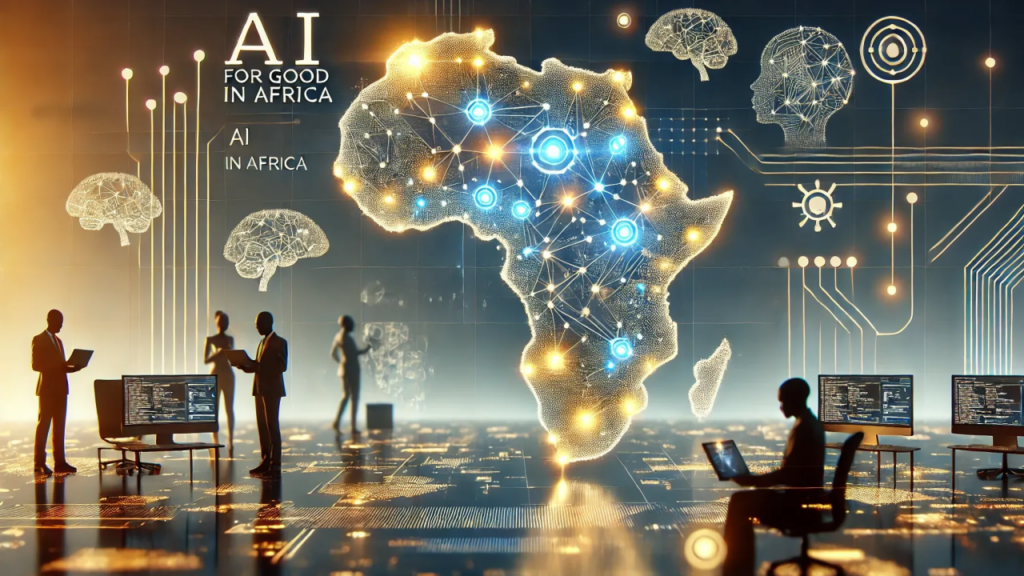
Artificial Intelligence (AI) is no longer a distant concept reserved for tech giants and futuristic movies—it is actively reshaping economies and workplaces across Africa. From agriculture to finance, AI is transforming how work gets done, what skills are valued, and which opportunities are emerging. While the changes bring efficiency and innovation, they also raise important questions about employment, inequality, and the future of work on the continent.
The Rise of AI in Africa
Africa has seen rapid digital growth over the past decade, driven by increased internet access, mobile technology, and a vibrant startup ecosystem. AI is now building on this foundation. Governments, private companies, and entrepreneurs are leveraging AI to solve uniquely African challenges—such as improving crop yields, expanding financial inclusion, and enhancing healthcare delivery.
Countries like South Africa, Kenya, Nigeria, and Egypt are leading in AI adoption, with startups developing solutions tailored to local needs. This growth is not just technological—it’s economic, creating new industries and redefining existing ones.
Jobs Being Transformed by AI
AI is not simply replacing jobs; it is transforming them. In many sectors, workers are finding that their roles are evolving rather than disappearing.
1. Agriculture
Agriculture employs a significant portion of Africa’s workforce. AI-powered tools now help farmers monitor soil conditions, predict weather patterns, and detect crop diseases. This reduces manual guesswork and increases productivity.
However, it also means that traditional farming roles are becoming more tech-driven. Farmers increasingly need digital skills to interpret data and use AI-based tools effectively.
2. Finance and Banking
AI is revolutionizing financial services through mobile banking, fraud detection, and credit scoring systems. In regions where many people lack formal credit histories, AI helps assess risk using alternative data.
This shift is reducing the need for some routine administrative roles while increasing demand for data analysts, cybersecurity experts, and AI specialists.
3. Healthcare
In healthcare, AI is being used for diagnostics, patient data management, and even remote consultations. This is especially valuable in rural areas with limited access to doctors.
Rather than replacing healthcare workers, AI supports them—allowing doctors and nurses to focus more on patient care while machines handle repetitive tasks.
4. Customer Service and Retail
Chatbots and automated systems are increasingly handling customer inquiries in retail and telecom sectors. While this reduces the number of entry-level call center jobs, it also creates opportunities in AI system management, user experience design, and technical support.
Job Displacement vs Job Creation
One of the biggest concerns around AI is job loss. Routine and repetitive tasks are the most vulnerable to automation, which can impact low-skilled workers the most.
However, AI is also creating new jobs that didn’t exist before. Roles such as machine learning engineers, data scientists, AI trainers, and digital product managers are becoming more common across Africa.
The challenge lies in the transition. Workers displaced by automation may not immediately have the skills required for these new roles, leading to short-term unemployment or inequality.
The Skills Shift
As AI reshapes the job market, the demand for skills is changing rapidly. Technical skills such as coding, data analysis, and machine learning are increasingly valuable. At the same time, human skills—like creativity, critical thinking, and emotional intelligence—are becoming more important because they complement AI rather than compete with it.
Educational institutions and training programs across Africa are beginning to adapt, offering courses in digital skills and AI-related fields. However, access to quality education remains uneven, which could widen existing gaps if not addressed.
Opportunities for Growth
Despite the challenges, AI presents significant opportunities for Africa:
- Entrepreneurship: Startups can use AI to build scalable solutions tailored to local problems.
- Global Competitiveness: African professionals with AI skills can compete in the global digital economy.
- Efficiency Gains: Businesses can operate more efficiently, boosting economic growth.
- Inclusion: AI-driven financial tools can bring unbanked populations into the formal economy.
The Way Forward
To ensure AI benefits as many people as possible, a coordinated effort is needed:
- Governments should invest in digital infrastructure and create policies that support innovation while protecting workers.
- Businesses must focus on reskilling employees and adopting AI responsibly.
- Educational institutions need to align curricula with future job demands.
- Individuals should embrace lifelong learning to stay relevant in a changing job market.
Conclusion
Artificial Intelligence is not just changing jobs in Africa—it is redefining the future of work. While some roles may disappear, many more will evolve or emerge. The key to success lies in adaptability: for workers, businesses, and governments alike.
Africa stands at a unique moment where it can harness AI not only to improve productivity but also to leapfrog traditional development barriers. With the right investments and policies, AI could become a powerful tool for inclusive growth across the continent.